
Low libido during perimenopause is common. Dr. Lauren explains the hormonal science behind your changing sex drive — simply and clearly.
Table of Contents
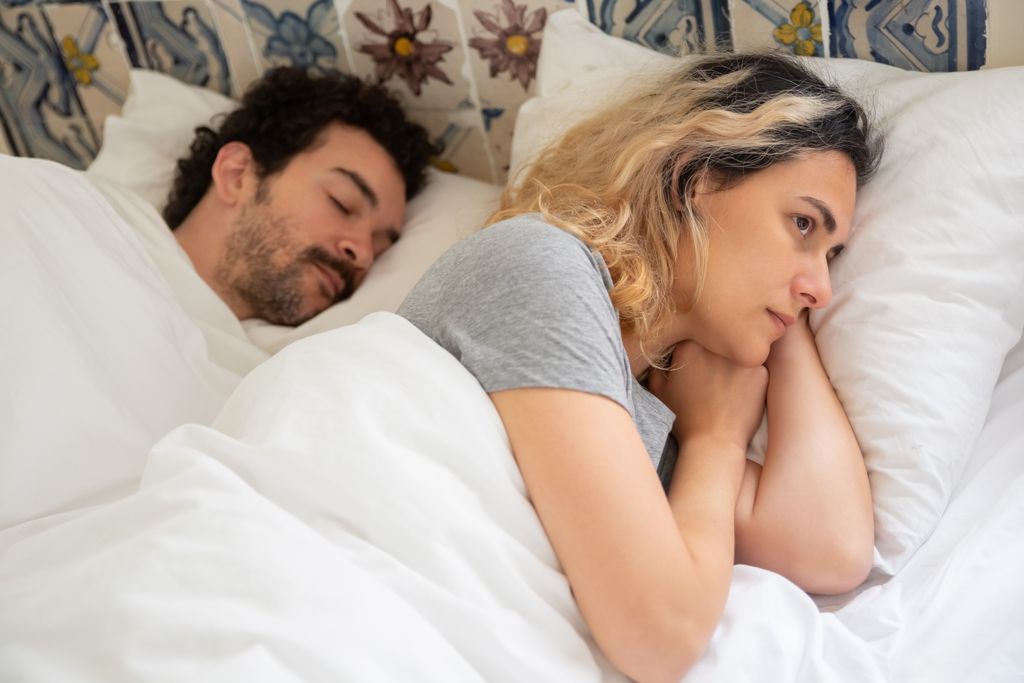
You used to look forward to intimacy. Now, it feels like something you could easily skip — and you’re not entirely sure when that shift happened.
If your sex drive has quietly faded somewhere in your 40s, you’re far from alone. Low libido during perimenopause is one of the most common — and least talked about — changes women experience during this stage of life.
Many women describe it as a slow withdrawal. The desire doesn’t disappear overnight. It just… dims. And what makes it more confusing is that nobody warned you it was coming.
This article isn’t here to make you feel broken. It’s here to explain what’s actually happening inside your body — because when you understand the hormonal science, the shift starts to make a lot more sense.
What Is Perimenopause, and When Does It Begin?
Perimenopause is the transitional phase that leads up to menopause — and it can begin as early as your late 30s, though most women notice changes in their early-to-mid 40s.
During this phase, the ovaries gradually produce less oestrogen and progesterone. Hormone levels don’t decline in a straight line, though. They fluctuate unpredictably — rising and falling in ways that can feel completely random.
This hormonal instability is what drives so many of the symptoms women experience: irregular periods, sleep disruption, mood shifts, brain fog, and yes — changes in sexual desire.
Perimenopause can last anywhere from a few years to over a decade. Understanding what’s driving your symptoms is the first step to feeling more in control.
The Hormones Behind Your Libido
Your sex drive isn’t governed by a single hormone. It’s shaped by a delicate interplay of several — and when that balance shifts, your desire for intimacy often shifts with it.
Oestrogen: The Comfort Hormone
Oestrogen plays a central role in sexual function. It supports vaginal lubrication, tissue elasticity, and blood flow to the genitals — all of which contribute to physical comfort during intimacy.
As oestrogen levels decline during perimenopause, many women notice vaginal dryness, reduced sensation, or discomfort during sex. When sex becomes physically uncomfortable, it’s natural for desire to follow.
Research suggests that declining oestrogen may also affect the brain’s response to sexual cues — making it harder to feel aroused even when you want to.
Progesterone: The Calming Influence
Progesterone is sometimes called the “calming hormone.” It supports restful sleep, emotional balance, and a general sense of wellbeing.
In perimenopause, progesterone is often the first hormone to noticeably drop. When it falls, many women experience anxiety, sleep disruption, and heightened emotional sensitivity — none of which are exactly conducive to feeling desire.
It’s difficult to feel sensual when you’re exhausted, wired, or emotionally on edge. Progesterone decline contributes to this cycle in ways that often go unrecognised.
Testosterone: The Drive Hormone
Most people associate testosterone with men — but it plays a meaningful role in female sexual desire too.
Women produce testosterone in smaller amounts, primarily in the ovaries and adrenal glands. It contributes to libido, energy, and the sense of vitality that underlies sexual confidence.
Testosterone levels in women decline gradually from around age 30 onwards. By perimenopause, levels may be noticeably lower — and studies indicate this decline is associated with reduced sexual desire in many women.
The interesting paradox is that as oestrogen drops more sharply, testosterone can sometimes become relatively more dominant for a period — which explains why some women actually experience a temporary spike in libido during early perimenopause before desire settles lower.
Why Low Libido During Perimenopause Is About More Than Hormones
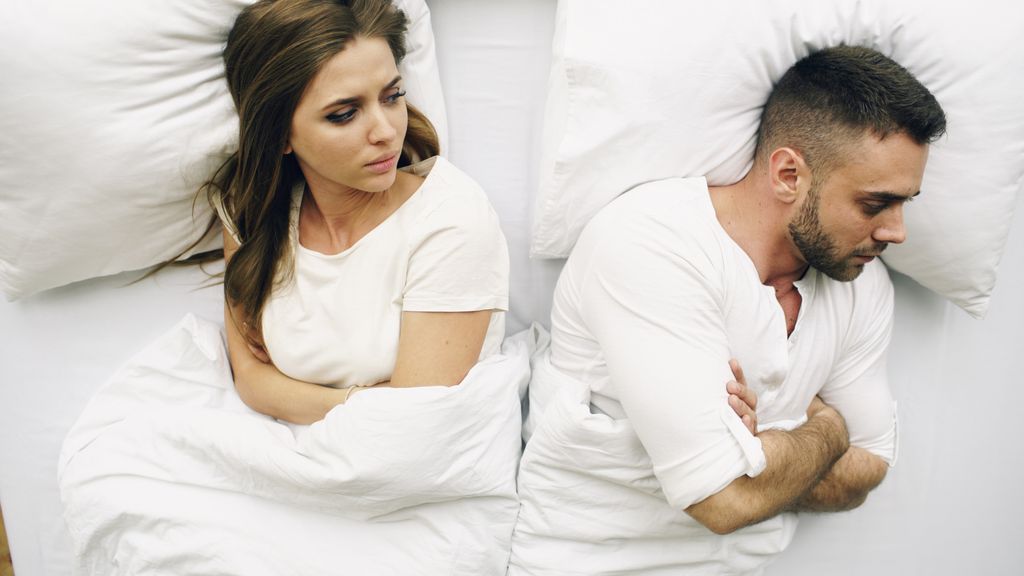
The hormonal picture is important — but it doesn’t tell the whole story.
Cortisol and Chronic Stress
The stress hormone cortisol has a direct relationship with sex hormones. When cortisol is elevated — as it often is during the busy years of midlife — the body deprioritises reproductive function.
This is sometimes described as the “cortisol steal” effect: under chronic stress, the body draws on hormonal building blocks that might otherwise support oestrogen and progesterone production.
Many women in their 40s are carrying significant life pressures — career demands, children, ageing parents, financial responsibility. The body reads this as a state of sustained stress, and libido is often one of the first things to go quiet.
If you notice that your sex drive seems lower during particularly demanding periods, this connection may be relevant for you.
Sleep Deprivation and Sexual Desire
Poor sleep is both a symptom of perimenopause and a driver of low libido. The two feed each other in a way that can feel relentless.
When you’re not sleeping well — whether from night sweats, racing thoughts, or early waking — your body produces more cortisol and less of the hormones that support desire. Research consistently links sleep deprivation with reduced sexual interest in women.
Supporting sleep quality may be one of the most underestimated things you can do for your overall hormone health during this phase.
Body Image and Emotional Wellbeing
Perimenopause often brings physical changes — shifts in weight distribution, skin texture, energy levels — that can affect how a woman feels in her own body.
Self-consciousness, lower confidence, or a general sense of feeling “not yourself” can dampen desire significantly. This isn’t vanity. It’s a very human response to feeling disconnected from your own body.
Emotional intimacy, open communication with a partner, and practices that help you feel good in your own skin — movement, rest, nourishment — all play a role in supporting libido beyond the purely hormonal.

What Happens to Libido After Perimenopause?
This is a question many women are quietly wondering about.
The good news is that for many women, libido stabilises after the more turbulent phase of perimenopause passes. Once hormone levels settle into a new, post-menopausal baseline, some women report that sexual interest gradually returns — sometimes to a surprisingly comfortable level.
Others find that certain lifestyle adjustments, nutritional support, or discussions with their healthcare provider make a meaningful difference.
The key point is this: low libido during perimenopause is not a permanent verdict on your sexuality. It’s a phase — and it’s one your body can navigate with the right support.
What Dr. Lauren Recommends
While every woman’s hormonal picture is unique, there are several general approaches that many women find supportive during this transition.
Prioritise sleep as a non-negotiable. Even small improvements in sleep quality can have a noticeable effect on energy, mood, and desire. Research suggests that addressing sleep disruption may be one of the most impactful steps you can take for overall hormone health.
Support your stress response. Practices that lower cortisol — gentle movement, time in nature, breathwork, or simply protecting quiet time in your day — may help create a more favourable hormonal environment.
Look at your nutritional foundation. Some women find that nutrients involved in hormone production — including zinc, magnesium, and omega-3 fatty acids — are worth exploring. Research suggests these may play a supporting role in hormonal balance, though individual needs vary.
Consider adaptogenic herbs with care. Ingredients like ashwagandha and maca have been studied for their potential to support stress response and sexual function in women. Some women notice improvements in energy and desire with these, though evidence is still emerging.
Looking for the best libido-supporting supplements for women over 40? Lisa at BestHealthyMom has reviewed the top options so you don’t have to. → Visit BestHealthyMom.com
Talk to your healthcare provider. If low libido is affecting your quality of life, it’s worth raising with your doctor. There are options — from hormone assessments to pelvic floor support to lifestyle programmes — that can make a real difference when guided by someone who knows your full picture.
🌿 Ready to find the right supplement?
Lisa at BestHealthyMom has tested the best supplements for women over 40 — so you don’t have to.
→ Visit BestHealthyMom.com
Related Articles on This Topic
- How Cortisol Affects Your Hormones After 40
- Why Progesterone Drops First in Perimenopause — And What That Means
- Natural Ways to Support Hormone Balance in Your 40s
Frequently Asked Questions
1. Is low libido during perimenopause normal?
Yes — it’s one of the most commonly reported changes during the perimenopause transition. Fluctuating oestrogen, declining progesterone and testosterone, disrupted sleep, and increased stress all contribute. You’re not alone, and it’s not a reflection of your relationship or your femininity.
2. At what age does libido typically change in women?
Many women begin noticing shifts in sexual desire in their early-to-mid 40s, which often coincides with the onset of perimenopause. However, this varies significantly from woman to woman. Some notice changes in their late 30s; others not until their late 40s or early 50s.
3. Can low sex drive during perimenopause be improved naturally?
Many women find that addressing sleep quality, managing stress, supporting nutritional foundations, and exploring specific herbs or supplements makes a meaningful difference. Results vary, and consulting a healthcare provider is always the recommended starting point.
4. Does testosterone really affect female libido?
Research suggests that testosterone does play a role in female sexual desire, energy, and confidence — even though women produce it in much smaller amounts than men. Declining testosterone levels through the 40s may be a contributing factor to reduced libido for some women.
5. Will my sex drive return after menopause?
For many women, libido stabilises or even improves after the more unpredictable fluctuations of perimenopause settle. Post-menopause, with the right support, many women find their sexual interest returns to a comfortable and fulfilling level. Speaking with a healthcare provider can help you understand your individual hormonal picture.
Conclusion
Low libido during perimenopause is a real, hormonally driven experience — and it deserves to be taken seriously, not dismissed.
Your body is navigating a profound transition. Oestrogen, progesterone, and testosterone are all shifting. Cortisol may be elevated. Sleep may be suffering. It’s not surprising that desire takes a backseat during this phase.
But understanding the science behind what’s happening is genuinely empowering. It means this isn’t random, it isn’t your fault, and it isn’t necessarily permanent.
If you’d like to explore more about how hormones affect women’s health after 40, visit our full Hormone and Libido article collections here at naturalsupplementsforwomenover40.com.
Disclaimer
This content is for informational purposes only and is not a substitute for professional medical advice, diagnosis, or treatment. The information provided here is intended to support your understanding of women’s hormonal health — not to replace a conversation with your doctor.
Always consult your healthcare provider before starting any supplement, making changes to your health routine, or if you have concerns about your hormonal health. Individual results and experiences vary.
Last Updated on June 15, 2026 by Dr. Lauren Whitmore, MD
