
Discover the 7 critical signs of hormonal imbalance after 40 that women often dismiss as normal aging. Learn when these symptoms deserve attention and what they’re really telling you about your health.
Table of Contents
Here’s something nobody tells you about turning 40: that extra weight around your middle? The fact that you can’t remember where you put your keys five minutes ago? The way you’re suddenly sweating through your sheets at 3 AM? It’s not just aging.
Sure, everyone loves to chalk it up to “getting older,” but here’s the thing—what you’re experiencing might actually be signs of hormonal imbalance after 40, and they’re worth paying attention to. Your body’s trying to send you a message, and it’s about time we stopped brushing it off as inevitable decline.
The truth is, millions of women are walking around feeling like shadows of their former selves, convinced that this is simply what life after 40 looks like. But does it have to be? Absolutely not. Understanding what’s happening beneath the surface can be the difference between suffering in silence and reclaiming your vitality.
Let’s dive into what’s really going on and why these symptoms matter more than you think.
What’s Actually Happening to Your Hormones After 40
Your hormonal landscape doesn’t just change overnight—it’s more like a gradual shift that picks up speed as you approach perimenopause and menopause. Think of it as a dimmer switch slowly turning down rather than a light flipping off.
Around your late 30s and early 40s, your ovaries start producing less estrogen and progesterone. These aren’t just “female hormones”—they’re master regulators that influence everything from your metabolism to your mood, your sleep patterns to your skin quality. When they start declining, it’s like pulling key players off a team and expecting the same performance.
But here’s where it gets tricky: the decline isn’t smooth or predictable. One month you might have relatively normal levels, the next month they’re all over the place. This fluctuation is actually what causes many of the symptoms we’re about to discuss.
Additionally, other hormones get involved in this complex dance. Cortisol (your stress hormone) can spike. Thyroid function may shift. Insulin sensitivity often changes. It’s not just one hormone going rogue—it’s an entire orchestra playing out of tune.
The fascinating part? Every woman’s experience is unique. Some sail through with minimal disruption, while others feel like their bodies have been hijacked by an alien force. Neither experience is “wrong”—it’s just your individual hormonal fingerprint.

The 7 Key Signs of Hormonal Imbalance After 40 You Shouldn’t Ignore
1. Unexplained Weight Gain (Especially Around Your Middle)
You haven’t changed your diet. You’re still exercising. Yet somehow, your jeans don’t fit anymore, and there’s this stubborn belly fat that wasn’t there before. Sound familiar?
This is one of the most common and frustrating signs of hormonal imbalance after 40. When estrogen levels drop, your body tends to redistribute fat from your hips and thighs to your abdomen. It’s not about vanity—visceral fat (the kind that accumulates around your organs) can impact your overall health.
Here’s what’s happening: declining estrogen affects how your body processes and stores fat. Your metabolism slows down, making it harder to maintain your weight even when you’re doing everything “right.” Additionally, insulin resistance often increases during this time, making your body more efficient at storing calories rather than burning them.
What makes it worse:
- High stress levels (which spike cortisol)
- Poor sleep quality
- Decreased muscle mass from declining testosterone (yes, women need it too!)
- Thyroid changes that often accompany perimenopause
The kicker? Traditional dieting often backfires during this phase because severe calorie restriction can further disrupt your already wonky hormones.
2. Crushing Fatigue That Sleep Doesn’t Fix
Remember when a good night’s sleep actually made you feel refreshed? Those days might feel like a distant memory now. This isn’t the tired you feel after a busy day—it’s bone-deep exhaustion that lingers no matter how much rest you get.
Hormonal imbalance after 40 can absolutely wreck your energy levels. Progesterone, which has a calming effect on your nervous system, starts declining. Meanwhile, fluctuating estrogen can interfere with your body’s ability to produce and utilize energy efficiently.
Your adrenal glands might also be struggling. They’re supposed to pick up some of the slack when your ovaries slow down hormone production, but if they’re already taxed from years of stress, they can’t keep up. The result? You’re running on empty.
Some women describe it as “hitting a wall” around 2 PM. Others feel like they’re dragging themselves through the entire day. Either way, it’s more than just needing an extra cup of coffee—it’s a signal that something deeper is off balance.
3. Mood Swings and Irritability You Can’t Control
One minute you’re fine, the next you’re snapping at your partner over something trivial, or crying at a commercial about puppies. If you’re experiencing emotional volatility that feels foreign to you, you’re not losing your mind—it’s likely your hormones talking.
Estrogen has a significant impact on serotonin production (your “feel-good” neurotransmitter). When estrogen levels fluctuate wildly, so does your mood. Some days you might feel anxious or edgy. Other days, you’re overwhelmed with sadness for no apparent reason.
This is one of those signs of hormonal imbalance after 40 that women often dismiss or feel embarrassed about. They think they should be able to “control” their emotions better, but here’s the truth: you can’t willpower your way out of a biochemical shift.
Common emotional symptoms include:
- Sudden irritability or rage
- Increased anxiety or panic attacks
- Feeling overwhelmed by small things
- Depression or persistent low mood
- Emotional sensitivity that seems excessive
The good news? Once you understand that your brain chemistry is being affected by hormonal changes, you can approach the situation with more compassion for yourself—and find appropriate support.
4. Brain Fog and Memory Problems
Walking into a room and forgetting why you’re there. Losing your train of thought mid-sentence. Struggling to find words that used to come easily. Welcome to the wonderful world of hormonal brain fog.
This is perhaps one of the scariest signs of hormonal imbalance after 40 because it makes you question your cognitive abilities. Women often worry they’re developing early dementia, but usually, it’s hormones messing with your mental clarity.
Estrogen plays a crucial role in cognitive function. It affects blood flow to the brain, supports the growth of neurons, and helps with the production of acetylcholine—a neurotransmitter essential for memory and learning. When estrogen fluctuates, these processes get disrupted.
Research has shown that many women experience cognitive changes during perimenopause, but here’s the reassuring part: for most women, these symptoms improve once hormone levels stabilize after menopause. Your brain isn’t deteriorating—it’s adjusting to a new hormonal reality.
5. Sleep Disruption and Night Sweats
Falling asleep isn’t the problem—it’s staying asleep. You wake up at 2 or 3 AM, either drenched in sweat or just wide awake, your mind racing. Or maybe you toss and turn all night, never quite achieving deep, restorative sleep.
Sleep problems are among the most disruptive signs of hormonal imbalance after 40. Progesterone has a naturally sedating effect, so when it declines, sleep suffers. Combine that with night sweats caused by fluctuating estrogen, and you’ve got a recipe for exhaustion.
Your body temperature regulation goes haywire because estrogen helps control your hypothalamus (your body’s thermostat). When estrogen drops suddenly, your brain might falsely detect overheating and trigger sweating to cool you down—even though you’re not actually hot.
Poor sleep then creates a vicious cycle: lack of rest stresses your adrenal glands, which can further disrupt hormone balance, which makes sleep even worse. It’s frustrating, to say the least.
6. Decreased Libido and Sexual Changes
Let’s talk about something many women feel uncomfortable discussing: the sudden disappearance of sexual desire. If you’ve gone from having a healthy sex drive to feeling completely uninterested, you’re not alone—and it’s not all in your head.
Testosterone (yes, women produce it too, just in smaller amounts) plays a significant role in libido, and it declines with age. But the bigger culprit is often estrogen. Lower estrogen levels can cause vaginal dryness, thinning of vaginal tissues, and decreased sensitivity—all of which can make sex uncomfortable or even painful.
This particular hormonal imbalance symptom after 40 affects relationships and self-esteem in profound ways. Many women feel they’re letting their partners down or that something is fundamentally broken. Understanding that this is a physiological change—not a character flaw or relationship problem—can be incredibly liberating.
Physical changes that impact intimacy:
- Vaginal dryness
- Reduced blood flow to sexual organs
- Longer time needed for arousal
- Decreased natural lubrication
- Changes in orgasm intensity
The emotional component matters too. If you’re exhausted, anxious, or dealing with body image issues from other hormonal symptoms, desire naturally takes a backseat.
7. Hair Thinning and Texture Changes
Looking in the mirror and noticing your ponytail seems thinner? Finding more hair on your brush than usual? Hair changes are sneaky signs of hormonal imbalance after 40 that often get overlooked until they become significant.
Estrogen helps hair stay in its growth phase longer and promotes thickness and shine. When it declines, hair growth slows down, and individual strands become finer. You might notice your hair falling out more during washing or brushing—not in clumps, but gradually, over time.
Meanwhile, the ratio of androgens (male hormones like testosterone) to estrogen shifts. Even though your testosterone is also declining, the relative increase compared to estrogen can cause some women to experience thinning on the scalp while noticing unwanted hair growth on the face or chin. Talk about adding insult to injury!
Thyroid function, which often changes during this time, can also impact hair health. If your thyroid is underactive (which happens more frequently in women over 40), hair thinning can accelerate.
When Should You Actually Take These Symptoms Seriously?
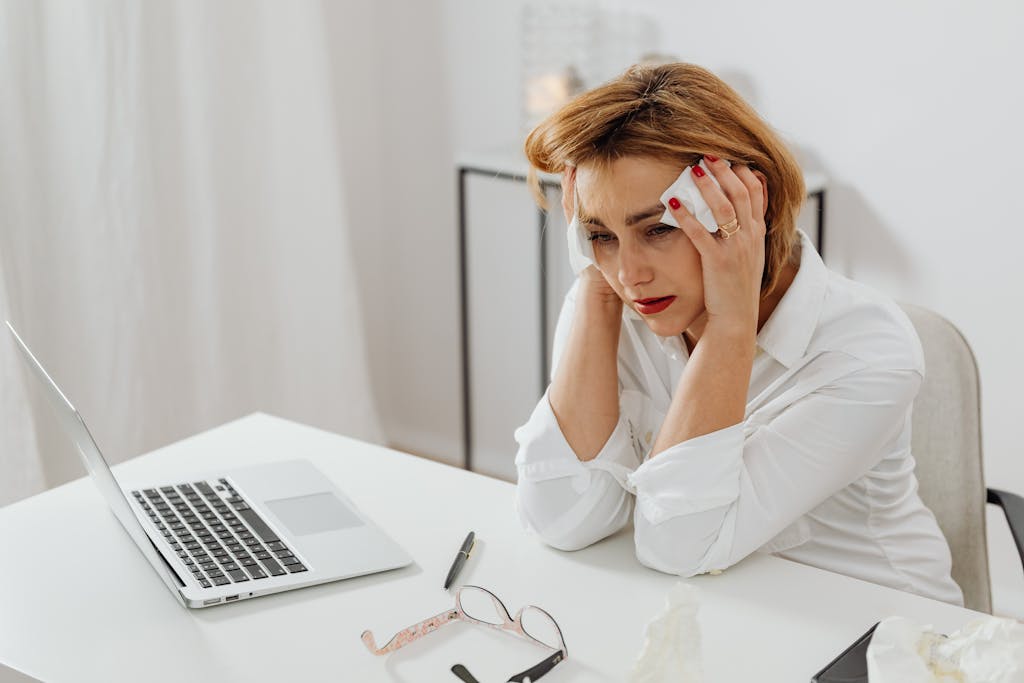
Here’s the million-dollar question: when do these signs of hormonal imbalance after 40 cross the line from “annoying but manageable” to “I need professional help”?
Consider seeking medical guidance if:
- Symptoms are significantly impacting your quality of life or relationships
- You’re experiencing multiple symptoms simultaneously
- Simple lifestyle changes aren’t making a difference after several months
- Your periods have become extremely irregular, heavy, or painful
- You’re dealing with severe mood changes or depression
- Physical symptoms are interfering with work or daily activities
Don’t wait until you’re completely miserable to reach out. Many women suffer for years because they think this is just what aging looks like. While some changes are normal, severe symptoms aren’t something you need to endure silently.
A healthcare provider can run tests to check your hormone levels, thyroid function, and other markers. They can help you explore options ranging from lifestyle modifications to hormone therapy, depending on your individual situation and medical history.
If you’ve checked off more than three signs on this list, your hormones are likely shouting for a change. You can spend the next six months trying to ‘fix’ each symptom one by one, or you can follow a proven roadmap. The Menopause Survival Guide is a $14 shortcut that shows you exactly how to quiet the ‘noise’ of hormonal chaos and start feeling like yourself again in as little as a few days.
Frequently Asked Questions – Signs of Hormonal Imbalance After 40
Can hormonal imbalance after 40 be reversed?
While you can’t stop the natural aging process, you absolutely can support your body through this transition and minimize symptoms. Through targeted lifestyle changes, proper nutrition, stress management, and sometimes medical intervention, many women find significant relief.
How long do these symptoms typically last?
It varies widely. Perimenopause can last anywhere from a few years to over a decade. Once you reach menopause (12 months without a period), some symptoms like hot flashes typically improve, though others may persist if not addressed.
Are all these symptoms definitely hormonal?
Not necessarily. Thyroid disorders, nutrient deficiencies, chronic stress, and other health conditions can mimic hormonal imbalance symptoms. That’s why getting proper testing is important rather than self-diagnosing.
What lifestyle changes help the most?
Prioritizing sleep, managing stress through practices like meditation or yoga, maintaining muscle mass through strength training, eating a balanced diet rich in whole foods, and limiting alcohol and caffeine often make a significant difference.
Is hormone replacement therapy the only option?
Absolutely not. While it’s effective for some women, there are many approaches including bioidentical hormones, herbal supplements, acupuncture, dietary changes, and stress reduction techniques. What works best depends on your individual symptoms and health profile.
The Bottom Line
Recognizing the signs of hormonal imbalance after 40 is the first step toward feeling like yourself again. You don’t have to accept brain fog, weight gain, exhaustion, and all the other symptoms as your new normal just because you’ve hit a certain birthday.
Your body is going through a significant transition—one that deserves attention, compassion, and proper support. Whether that means working with a healthcare provider, making lifestyle adjustments, or simply giving yourself grace during this phase, acknowledging what’s happening is powerful.
Remember, you’re not being dramatic, you’re not imagining things, and you’re certainly not alone. Millions of women are navigating these same choppy hormonal waters. The difference is that some suffer silently while others advocate for themselves and find relief.
Which one will you be?
Last Updated on April 3, 2026 by Dr. Lauren Whitmore, MD
